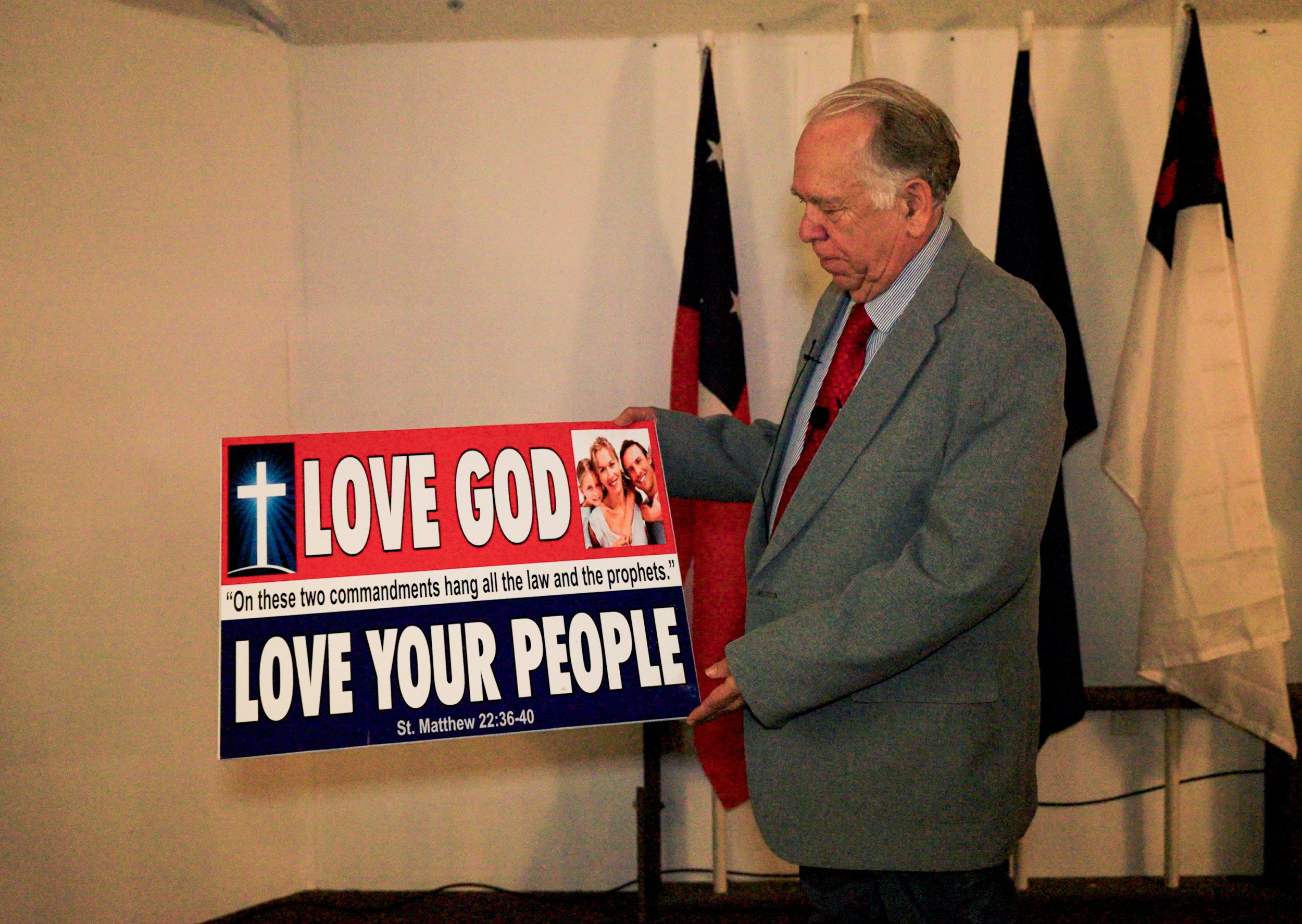
The Ku Klux Klan is going through a rebrand, and it’s important that we know about it.

The modern Ku Klux Klan most Americans picture is no longer built around white hoods and cross burnings; it’s built around soft-neutral branding.

That shift largely traces back to Thomas Robb, who took control of the Knights of the Ku Klux Klan in the late 1980s after the collapse of more openly violent Klan factions. Robb understood something earlier than most extremists: optics matter. Under his leadership, the KKK moved away from overt terror imagery and toward suits, press releases, cable-access TV shows, and constitutional language about “heritage,” “free speech,” and “European identity.”

Robb positioned himself not as a vigilante, but as a spokesman. He sought legitimacy through media appearances, carefully worded rhetoric, and legal framing - often couching white supremacist ideology inside claims of victimhood and civil rights.

This shift didn’t soften the Klan’s beliefs; it professionalized them. Violence became less explicit, but no less present, and redirected into policy goals, recruitment pipelines, and long-game cultural influence.

Hate, repackaged as grievance.

This interview wasn’t about uncovering something new. It was about watching that strategy in real time.

What Robb and others like him attempt now isn’t domination through fear, but normalization through language. They rely on familiarity, repetition, and the hope that if they sound reasonable long enough, the ideology underneath won’t be interrogated. Sitting with that reality, literally, face to face, makes one thing clear: extremism doesn’t disappear when it stops shouting. It adapts.

This interview will be on my YouTube channel this coming month. In the meantime, you can see clips from this interview here:

Threads
Instagram

Thomas Robb, Grand Wizard of the KKK

Previous
Previous

Death Doula

Next
Next

Feeding Palestinian Families